Recovery Resources & Blog

Expert insights, recovery guides, and the latest news from RDW Helpline in Oakland, California. Our editorial team shares evidence-based information to support you and your family on the path to lasting sobriety.

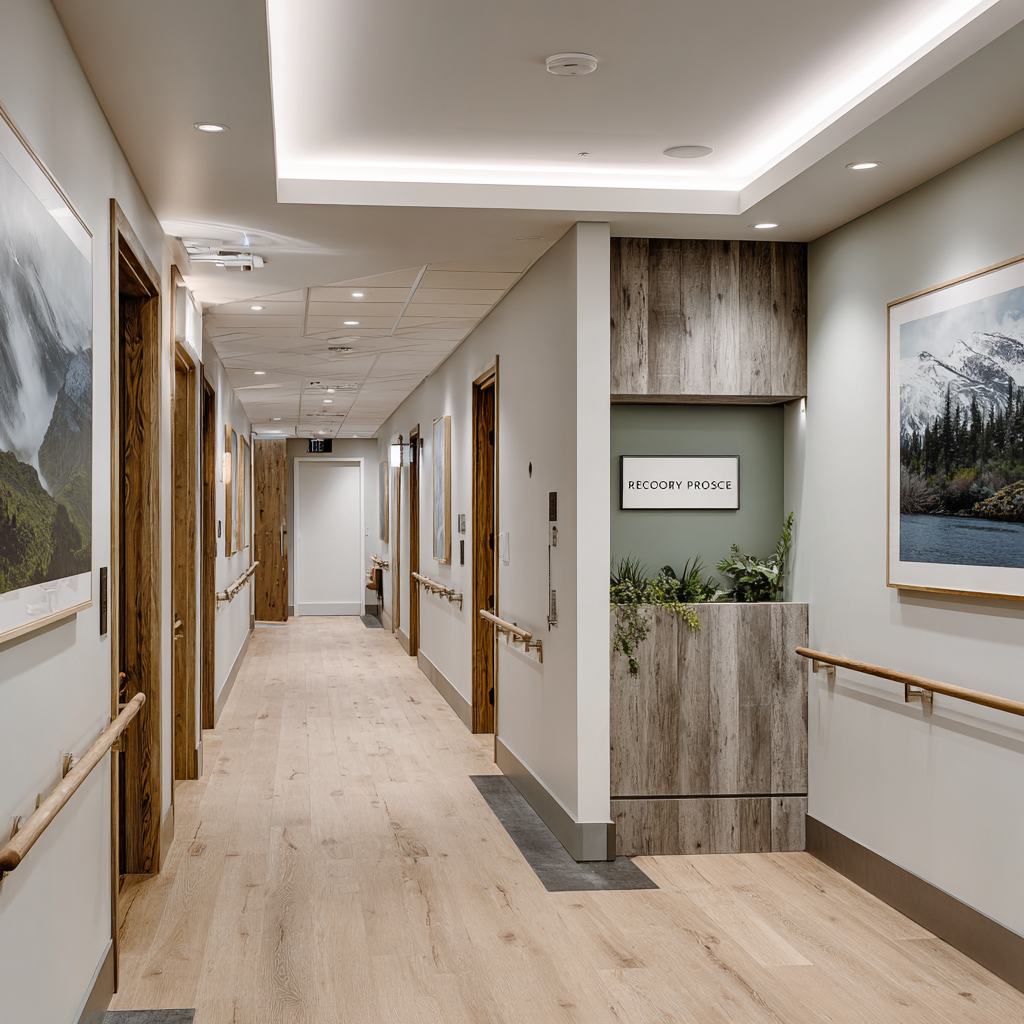
Featured article - RDW Helpline announces new spring 2026 wellness programs at Oakland treatment center
News & Updates

RDW Helpline Welcomes New Spring 2026 Wellness Programs

January 20, 2026 RDW Helpline Editorial Team

RDW Helpline is excited to announce a significant expansion of wellness programming at our Oakland treatment center for spring 2026. From new holistic therapy offerings to strengthened community partnerships, these initiatives reflect our commitment to providing the most comprehensive, evidence-based addiction treatment in the Bay Area.

Read Full Article

Latest Articles

Browse our library of recovery resources, addiction education, and treatment updates.

Signs of opioid addiction - Oakland family looking for help
Addiction Information

Signs of Opioid Addiction: What Oakland Families Should Know

Opioid addiction affects thousands of families across Oakland and the Bay Area. Learn to recognize the behavioral, physical, and emotional warning signs so you can take action early and connect your loved one with professional treatment.

February 15, 2026 RDW Helpline Editorial Team
Read More →
Early recovery tips from addiction treatment experts
Recovery Tips

5 Tips for Early Recovery from RDW Helpline Experts

The first weeks and months of sobriety present unique challenges. Our clinical team shares five practical, evidence-based strategies to help you navigate early recovery and build habits that support long-term success.

February 10, 2026 RDW Helpline Editorial Team
Read More →
Dual diagnosis treatment for mental health and addiction
Mental Health

Understanding Dual Diagnosis Treatment at RDW Helpline

Many people struggling with addiction also face co-occurring mental health conditions. Discover how our integrated dual diagnosis program addresses both issues simultaneously for deeper, more sustainable healing.

January 27, 2026 RDW Helpline Editorial Team
Read More →
New wellness programs at RDW Helpline Oakland campus
News & Updates

RDW Helpline Welcomes New Spring 2026 Wellness Programs

Our Oakland treatment center is expanding its program offerings for spring 2026 with new holistic therapies, enhanced community outreach, and strengthened aftercare support to better serve individuals and families throughout the Bay Area.

January 20, 2026 RDW Helpline Editorial Team
Read More →
Addiction Information

Signs of Opioid Addiction: What Oakland Families Should Know

February 15, 2026 RDW Helpline Editorial Team
Recognizing opioid addiction warning signs in Oakland families

The opioid crisis continues to affect communities across the United States, and Oakland, California is no exception. From prescription painkillers like oxycodone and hydrocodone to illicit substances like heroin and fentanyl, opioid addiction has devastated families in the Bay Area and beyond. At RDW Helpline, our addiction treatment center located at 3240 International Blvd in Oakland, we see firsthand how early recognition of opioid addiction can be the difference between life and death. This article is designed to help Oakland families identify the signs of opioid addiction and understand how to take the next steps toward professional treatment.

Understanding Opioid Addiction

Opioids work by binding to receptors in the brain, blocking pain signals and producing a surge of dopamine that creates feelings of euphoria. Over time, the brain adapts to the presence of opioids, requiring increasingly larger doses to achieve the same effect. This process, known as tolerance, is one of the earliest indicators that dependence is developing. What may begin as a legitimate prescription for pain management after surgery or injury can quickly escalate into compulsive use, marking the transition from dependence to full-blown addiction, clinically known as opioid use disorder.

In Oakland and throughout Alameda County, fentanyl has become an especially dangerous driver of the opioid crisis. Because illicitly manufactured fentanyl is often mixed into other drugs without the user's knowledge, the risk of accidental overdose has skyrocketed. Understanding the signs of opioid addiction is therefore not just helpful but potentially lifesaving.

Behavioral Warning Signs

One of the first things families may notice is a change in behavior. Individuals developing an opioid addiction often become increasingly secretive, withdrawing from family activities and social engagements they once enjoyed. They may begin spending time with a new peer group, especially people who also use substances. Watch for sudden changes in daily routines, unexplained absences from work or school, and declining performance in responsibilities they previously handled well.

Financial difficulties are another common behavioral red flag. Opioid addiction is expensive to maintain, and individuals may begin borrowing money frequently, selling personal belongings, or exhibiting unexplained financial strain. In some cases, families discover missing cash, valuables, or prescription medications from the household.

Doctor shopping, the practice of visiting multiple physicians to obtain additional prescriptions, is a hallmark behavioral sign of prescription opioid misuse. If a family member is making frequent, unexplained medical appointments or receiving packages from multiple pharmacies, this warrants concern.

Physical Warning Signs

Opioids produce distinctive physical effects that families can learn to recognize. Pinpoint pupils, also called miosis, are one of the most reliable physical indicators of opioid use. Other physical signs include chronic drowsiness or nodding off at inappropriate times, slurred speech, impaired coordination, and noticeable weight loss. Individuals may experience frequent flu-like symptoms when they have not used opioids recently, as these mirror the early stages of withdrawal.

Track marks or needle puncture wounds on the arms, hands, or feet may indicate intravenous heroin or fentanyl use. However, many people misusing opioids do so orally or by snorting, so the absence of injection marks does not rule out addiction. Look also for chronic constipation, itching, and frequent nausea, all common side effects of opioid use.

Emotional and Psychological Signs

Opioid addiction takes a profound toll on mental health. Families may notice dramatic mood swings, increased irritability, unexplained anxiety, or episodes of depression. A person struggling with opioid addiction may become defensive or hostile when confronted about their behavior. Social isolation often deepens as the addiction progresses, with the individual pulling away from loved ones and losing interest in hobbies, work, and activities that once brought them joy.

It is important to recognize that these emotional changes are driven by the neurochemical impact of opioids on the brain. They are symptoms of a medical condition, not moral failings. Approaching the situation with compassion rather than judgment significantly improves the chances of getting your loved one to accept help.

When and How to Seek Help

If you recognize these signs in a family member or loved one in Oakland, it is critical to seek professional help as soon as possible. Opioid addiction is a progressive disease that worsens without treatment, and the risk of fatal overdose is always present, especially with the prevalence of fentanyl in the current drug supply.

At RDW Helpline, we offer a full continuum of care specifically designed to treat opioid addiction. Our medical detox program provides safe, medically supervised withdrawal management with 24/7 monitoring from physicians and nurses experienced in opioid detoxification. We use evidence-based medication-assisted treatment protocols to ease withdrawal symptoms and reduce cravings, making the detox process as comfortable as possible.

Following detox, our residential treatment program provides an immersive healing environment where individuals can focus entirely on recovery. Through individual therapy, group counseling, cognitive behavioral therapy, and holistic wellness practices, our clinical team addresses the root causes of addiction while building the skills necessary for sustained sobriety. For those who need flexibility, our outpatient programs, including both partial hospitalization and intensive outpatient options, provide robust clinical support while allowing participants to maintain work and family commitments.

Our aftercare planning ensures that the transition from formal treatment back to daily life is supported with alumni groups, continued counseling referrals, and relapse prevention strategies tailored to each individual's needs.

Taking the First Step

Recognizing the signs of opioid addiction in a loved one is the first step. The next step is reaching out for professional guidance. Our admissions team at RDW Helpline is available 24 hours a day, 7 days a week to answer your questions, discuss treatment options, and help verify your insurance coverage. You do not have to navigate this alone. Call us at (209) 370-5992 to begin the conversation today. Every call is confidential, and there is no obligation. Recovery is possible, and it starts with a single step.

Recovery Tips

5 Tips for Early Recovery from RDW Helpline Experts

February 10, 2026 RDW Helpline Editorial Team
Early recovery strategies from RDW Helpline treatment center in Oakland

Completing a treatment program is a tremendous achievement, but for many individuals, the early weeks and months of recovery present their own set of challenges. The transition from the structured environment of a treatment center back into daily life can feel overwhelming. At RDW Helpline, our addiction treatment center in Oakland, California, we have helped hundreds of individuals navigate this critical period. Drawing on the expertise of our clinical team, we have compiled five essential tips to help you build a strong foundation for lasting sobriety.

1. Build a Strong Support Network

Recovery does not happen in isolation. One of the most important things you can do in early sobriety is surround yourself with people who support your recovery goals. This may include family members, sober friends, sponsors, therapists, and fellow members of support groups like Alcoholics Anonymous or Narcotics Anonymous.

In Oakland and the greater Bay Area, there is a vibrant recovery community with meetings available throughout the day and evening. At RDW Helpline, our aftercare program connects graduates with local support groups and alumni networks to ensure that no one has to navigate recovery alone. Our alumni meet regularly at our facility on International Blvd, providing a built-in community of people who understand exactly what you are going through.

It is equally important to evaluate existing relationships and set boundaries with individuals who may trigger cravings or enable old behaviors. This can be one of the hardest parts of early recovery, but protecting your sobriety must be the priority. Your therapist or counselor can help you develop strategies for having these difficult conversations with compassion and clarity.

2. Establish a Daily Routine

Structure is a powerful tool in early recovery. During treatment at RDW Helpline, your days are organized around therapy sessions, group activities, meals, and wellness practices. When you return home, the absence of that structure can create pockets of idle time that increase vulnerability to relapse.

Create a daily schedule that includes productive activities, self-care practices, and recovery-focused commitments. Wake up at a consistent time each morning. Schedule regular meals, as proper nutrition plays a vital role in brain recovery. Block out time for exercise, which research shows can reduce cravings and improve mood by stimulating natural dopamine production. Include at least one recovery activity per day, whether that is a meeting, a call with your sponsor, journaling, or meditation.

Many of our outpatient program participants at RDW Helpline find that attending PHP or IOP sessions several times per week provides the structure they need during the critical early months. These programs are designed to serve as a bridge between residential treatment and fully independent living, offering clinical support while you rebuild your daily life.

3. Learn to Identify and Manage Triggers

Triggers are people, places, situations, or emotions that create cravings for substances. In early recovery, triggers can feel overwhelming, but understanding them is the first step to managing them effectively. Common triggers include stress, social situations where substances are present, certain neighborhoods or locations associated with past use, conflict with loved ones, and even positive emotions like celebration that were previously linked to substance use.

During treatment at RDW Helpline, our therapists work with you to develop a personalized relapse prevention plan that identifies your unique triggers and provides concrete coping strategies for each one. These might include calling a support person, practicing grounding techniques, removing yourself from the situation, or engaging in a healthy distraction like exercise or creative expression.

For individuals in Oakland, environmental triggers can be especially challenging. You may need to change your commute, avoid certain neighborhoods, or stop visiting specific businesses. While this can feel limiting at first, these adjustments become easier over time and play a critical role in protecting your recovery during its most vulnerable phase.

4. Prioritize Mental Health

Addiction rarely exists in a vacuum. Many individuals in early recovery are also navigating co-occurring mental health conditions such as anxiety, depression, PTSD, or bipolar disorder. If these underlying conditions are not addressed, the risk of relapse increases significantly.

At RDW Helpline, our dual diagnosis program is specifically designed to treat both addiction and mental health conditions simultaneously. If you completed a dual diagnosis program with us, continue taking any prescribed medications as directed and attend all follow-up appointments with your psychiatrist or therapist. If you did not receive a mental health evaluation during treatment, and you are experiencing symptoms of anxiety, depression, or other mood disturbances, reach out to a mental health professional promptly.

Mindfulness practices such as meditation, deep breathing exercises, and yoga have been shown to reduce anxiety and support emotional regulation in early recovery. Our facility in Oakland incorporates these practices into both our residential and outpatient programs, and we encourage graduates to continue them independently as part of their daily wellness routine.

5. Be Patient with Yourself

Recovery is not a linear process. There will be days when you feel strong, motivated, and hopeful, and there will be days when cravings are intense and the road ahead feels impossibly long. Both experiences are normal, and both are part of the healing process.

It is essential to set realistic expectations for yourself in early recovery. You may not immediately repair every damaged relationship, land your dream job, or feel entirely comfortable in your own skin. What matters is that you show up each day committed to your sobriety and take one step forward, no matter how small.

Celebrate your milestones, even the ones that might seem insignificant to others. One day sober is an achievement. One week, one month, three months, each of these marks a victory worth acknowledging. At RDW Helpline, we celebrate our clients' milestones because we know how much courage and effort each one represents.

If you do experience a setback, do not let shame prevent you from reaching out for help. A lapse does not erase your progress, and it does not mean that treatment did not work. It means that your recovery plan may need adjustment. Contact your therapist, sponsor, or our admissions team at (209) 370-5992 immediately. Getting back on track quickly is the most important thing you can do.

Your Recovery Journey Continues

Early recovery is challenging, but it is also a period of profound growth and possibility. By building a support network, establishing routine, managing triggers, prioritizing mental health, and practicing self-compassion, you give yourself the best possible foundation for a life of sustained sobriety. The team at RDW Helpline in Oakland is here for you at every stage of this journey. Whether you need to step up your care level, connect with alumni resources, or simply talk to someone who understands, we are always just a phone call away.


Family Support

How to Help a Loved One Struggling with Addiction in California

February 3, 2026 RDW Helpline Editorial Team
Family support for addiction recovery in California

Watching a family member or close friend struggle with addiction to alcohol, opioids, meth, cocaine, or other substances is one of the most painful experiences a person can endure. You may feel helpless, angry, heartbroken, or exhausted, often all at the same time. If you are a family member in California seeking guidance on how to help someone you love, know that you are not alone and that your support can make a meaningful difference. At RDW Helpline, our treatment center in Oakland, we work closely with families throughout the recovery process, and we have seen how powerful informed, compassionate family involvement can be.

Educate Yourself About Addiction

The first step in helping a loved one is understanding what addiction actually is. Addiction, clinically known as substance use disorder, is a chronic medical condition characterized by compulsive substance use despite harmful consequences. It is not a moral failing, a lack of willpower, or a choice. Decades of neuroscience research have established that addiction fundamentally changes the brain's reward system, decision-making processes, and stress response mechanisms.

When you understand addiction as a medical condition, it becomes easier to approach your loved one with compassion rather than judgment. It also helps you set realistic expectations. Recovery is a process that takes time, and setbacks are a normal part of that process, not evidence that the person does not care enough to get better.

Resources for family education are widely available in California. Organizations like the National Institute on Drug Abuse, SAMHSA, and local support groups provide free educational materials. At RDW Helpline, our family therapy program includes psychoeducational components designed to help families understand the science of addiction and what to expect during the treatment and recovery process.

Have the Conversation

Approaching a loved one about their substance use requires careful planning and emotional preparation. Choose a time when the person is sober and relatively calm. Avoid having the conversation during or immediately after a crisis, as heightened emotions can make productive dialogue impossible.

Use "I" statements to express your concern without sounding accusatory. For example, "I am worried about your health because I have noticed some changes" is more likely to be heard than "You have a drug problem and you need to stop." Focus on specific behaviors you have observed and their impact on you and the family, rather than labeling the person or making generalizations.

Listen more than you speak. Your loved one may be defensive, angry, or dismissive. They may deny having a problem or minimize its severity. This is a common response, especially in the earlier stages of addiction, and it does not mean that the conversation is a failure. Planting the seed of concern is valuable even if it does not produce an immediate result.

Be prepared to suggest concrete next steps. Saying "I found a treatment center in Oakland that specializes in what you are going through, and I would like to help you make a call" is more effective than a vague directive to "get help." At RDW Helpline, our admissions counselors are trained to speak compassionately with both individuals and their families, and they can answer questions about treatment options, insurance verification, and what to expect from the intake process.

Set Boundaries with Love

Boundaries are one of the most difficult but most important aspects of supporting a loved one with addiction. Enabling behaviors, such as providing money, making excuses for missed obligations, covering up legal problems, or allowing substance use in your home, may feel like acts of love, but they actually remove the natural consequences that often motivate a person to seek treatment.

Healthy boundaries might include refusing to provide financial support for anything other than treatment, not allowing substance use in your home, declining to call in sick to work on their behalf, or setting clear expectations about what behaviors you will and will not tolerate. Communicating these boundaries clearly and following through consistently is essential.

Boundary setting is not about punishment. It is about protecting your own well-being and creating conditions that encourage your loved one to take responsibility for their recovery. Many families find it helpful to work with a therapist or attend family support groups like Al-Anon or Nar-Anon to develop and maintain healthy boundaries.

Explore Treatment Options in California

California offers a wide range of addiction treatment options, from medical detox and residential programs to outpatient care and sober living. Understanding these options allows you to present your loved one with concrete choices rather than an abstract suggestion to "get help."

At RDW Helpline in Oakland, we provide a full continuum of care. Our medical detox program offers safe, supervised withdrawal management for substances including alcohol, opioids, heroin, fentanyl, prescription drugs, cocaine, meth, and benzodiazepines. Our residential treatment program provides 24/7 clinical care in a structured, supportive environment. For those who need flexibility, our outpatient programs, including partial hospitalization and intensive outpatient options, deliver comprehensive treatment while allowing participants to continue working or caring for family.

For individuals struggling with co-occurring mental health conditions alongside addiction, our dual diagnosis program provides integrated treatment that addresses both issues simultaneously. This is particularly important, as untreated mental health conditions are one of the leading drivers of relapse.

Take Care of Yourself

Supporting a loved one through addiction takes an enormous emotional and physical toll. It is essential that you prioritize your own well-being throughout this process. Attend support groups for families of people with addiction, seek individual therapy if needed, maintain your own social connections, and allow yourself to feel the full range of your emotions without guilt.

At RDW Helpline, our family therapy program is designed to support the entire family unit, not just the individual in treatment. We help families heal damaged relationships, develop healthy communication patterns, and build the skills needed to support their loved one's recovery while maintaining their own wellness.

Remember that you cannot force someone to get sober, and you are not responsible for their addiction. What you can do is educate yourself, communicate with compassion, set healthy boundaries, and be ready to support them when they are ready to accept help. If your loved one is struggling with addiction and you need guidance, call our team at (209) 370-5992. We are available 24/7 and every conversation is confidential.

Mental Health

Understanding Dual Diagnosis Treatment at RDW Helpline

January 27, 2026 RDW Helpline Editorial Team
Dual diagnosis treatment at RDW Helpline treatment center in Oakland

At RDW Helpline, our addiction treatment center in Oakland, California, we have long recognized that addiction rarely exists in isolation. A significant number of individuals who seek treatment for substance use disorders are also living with co-occurring mental health conditions such as depression, anxiety, post-traumatic stress disorder, bipolar disorder, or other mood and personality disorders. When both a mental health condition and a substance use disorder are present simultaneously, clinicians refer to this as a dual diagnosis, also known as co-occurring disorders. Understanding what dual diagnosis treatment entails and why it matters is crucial for anyone seeking comprehensive, lasting recovery.

The Connection Between Addiction and Mental Health

Research consistently shows that substance use disorders and mental health conditions are deeply interconnected. According to the Substance Abuse and Mental Health Services Administration, approximately 9.2 million adults in the United States experience both a mental health disorder and a substance use disorder in any given year. The relationship between these conditions is complex and bidirectional.

In many cases, individuals begin using substances as a way to cope with untreated mental health symptoms. A person experiencing severe anxiety may use alcohol or benzodiazepines to calm their nerves. Someone living with depression may turn to stimulants like cocaine or methamphetamine to temporarily boost their mood and energy. A trauma survivor may use opioids to numb emotional pain. While these substances may provide short-term relief, they ultimately worsen the underlying mental health condition and create a secondary problem: addiction.

Conversely, chronic substance use can trigger or exacerbate mental health conditions. Alcohol is a central nervous system depressant that can cause or deepen depression. Stimulant drugs can trigger psychosis, paranoia, or severe anxiety. Prolonged opioid use alters brain chemistry in ways that increase vulnerability to mood disorders. In these cases, treating only the addiction without addressing the resulting mental health condition leaves the person at high risk for relapse.

Why Integrated Treatment Matters

Historically, addiction treatment and mental health treatment were delivered in separate systems by separate providers. A person might complete a rehab program for their substance use, only to be told they needed to seek separate treatment for their depression or anxiety. This fragmented approach produced poor outcomes because it failed to address the interplay between the two conditions.

Modern best practices, and the approach we follow at RDW Helpline, call for integrated treatment that addresses both conditions simultaneously within a single, coordinated program. Integrated dual diagnosis treatment has been shown to produce significantly better outcomes than sequential or parallel treatment approaches, including lower rates of relapse, improved mental health symptoms, better treatment retention, and higher overall quality of life.

At our Oakland facility, dual diagnosis treatment is not an add-on or a separate track. It is woven into the fabric of every treatment plan for individuals who present with co-occurring conditions. From the moment a client arrives for their initial clinical assessment, our team evaluates both their substance use history and their mental health status using validated screening tools and comprehensive diagnostic interviews.

What Dual Diagnosis Treatment Looks Like at RDW Helpline

Our dual diagnosis program begins with a thorough biopsychosocial assessment conducted by our clinical team. This evaluation examines the full picture of a client's physical health, psychological functioning, social environment, trauma history, and substance use patterns. Based on this assessment, our team develops an individualized treatment plan that addresses both the addiction and any co-occurring mental health conditions.

Medication management is often an important component of dual diagnosis care. Our physicians and psychiatric providers work closely with each client to determine whether psychiatric medications such as antidepressants, mood stabilizers, or anti-anxiety medications are appropriate. When medications are prescribed, they are carefully monitored and adjusted throughout the course of treatment to ensure optimal effectiveness and minimize side effects.

Individual therapy forms the core of our dual diagnosis approach. Our licensed therapists use evidence-based modalities including cognitive behavioral therapy, dialectical behavior therapy, eye movement desensitization and reprocessing for trauma, motivational interviewing, and acceptance and commitment therapy. These approaches have strong research support for treating both substance use disorders and mental health conditions, and they can be adapted to address the unique challenges of dual diagnosis.

Group therapy provides additional support through peer connection and shared experience. Our dual diagnosis groups create a space where individuals can discuss the intersection of their mental health and addiction challenges with others who truly understand what they are going through. This normalization of dual diagnosis reduces shame and isolation, which are two of the biggest barriers to sustained recovery.

Holistic therapies complement our clinical programming by addressing the whole person. Mindfulness meditation, yoga, art therapy, physical fitness, nutrition counseling, and stress management techniques all contribute to improved mental health and stronger coping skills. These practices are particularly valuable for dual diagnosis clients, who often need to develop entirely new strategies for managing emotional distress without substances.

Continuing Care After Treatment

Dual diagnosis is a chronic condition that requires ongoing management. At RDW Helpline, our aftercare planning for dual diagnosis clients is especially comprehensive. We coordinate with outpatient psychiatrists, therapists, and support groups in the Oakland area and throughout California to ensure continuity of care. We provide detailed medication transition plans, connect clients with appropriate community mental health resources, and offer ongoing alumni support through our facility.

Our outpatient programs, including partial hospitalization and intensive outpatient, serve as an excellent step-down option for dual diagnosis clients transitioning from residential treatment. These programs maintain the intensity of clinical care while allowing clients to begin reintegrating into their daily lives, testing their coping skills in real-world situations with professional support readily available.

Getting Started

If you or someone you love is struggling with both addiction and a mental health condition, integrated dual diagnosis treatment can provide the comprehensive care needed for lasting recovery. At RDW Helpline in Oakland, our experienced clinical team is ready to conduct a thorough assessment and develop a treatment plan that addresses the full scope of your needs. Call us at (209) 370-5992 to speak with an admissions counselor. We are available 24 hours a day, 7 days a week, and every call is completely confidential. You deserve treatment that sees the whole picture, and that is exactly what we provide.

News & Updates

RDW Helpline Welcomes New Spring 2026 Wellness Programs

January 20, 2026 RDW Helpline Editorial Team
New spring 2026 wellness programs at RDW Helpline in Oakland

At RDW Helpline, our commitment to providing the highest quality addiction treatment in Oakland, California drives us to continuously evaluate, improve, and expand our programming. We are excited to announce a significant expansion of our wellness offerings for spring 2026, designed to enhance every aspect of our clients' treatment experience and strengthen our connections with the broader Oakland community. These new programs reflect the latest research in addiction medicine and respond directly to feedback from our clients, alumni, and clinical staff.

Expanded Holistic Therapy Offerings

Beginning in March 2026, RDW Helpline will introduce several new holistic therapy options for clients in our residential and outpatient programs. These additions complement our existing evidence-based clinical programming and provide additional tools for managing stress, processing emotions, and building sustainable wellness habits.

Our new offerings include guided nature therapy sessions that take advantage of Oakland's beautiful park systems and waterfront areas. Research increasingly supports the role of nature exposure in reducing cortisol levels, improving mood, and enhancing cognitive function, all of which are particularly beneficial for individuals in early recovery. Led by trained facilitators, these weekly sessions will combine mindful walking, grounding exercises, and reflective journaling in outdoor settings.

We are also introducing a comprehensive music therapy program led by a board-certified music therapist. Music therapy has demonstrated efficacy in reducing anxiety, improving emotional expression, and enhancing group cohesion in substance use treatment settings. Sessions will include both receptive approaches such as guided listening and active approaches such as drumming circles and songwriting, providing clients with creative outlets for processing their recovery experience.

Additionally, our expanded fitness programming will now include tai chi and qigong classes. These gentle, meditative movement practices are especially well-suited to individuals in early recovery, offering the physical benefits of exercise combined with the mindfulness and breath awareness components that support emotional regulation and stress reduction.

Enhanced Family Programming

RDW Helpline has always recognized that addiction affects the entire family. For spring 2026, we are significantly enhancing our family support programming to provide even more comprehensive resources for the loved ones of our clients.

Our new monthly Family Education Series will offer free workshops open to all family members of current and former clients. Topics will include understanding the neuroscience of addiction, communication strategies for supporting recovery, setting healthy boundaries, recognizing relapse warning signs, and self-care for caregivers. These workshops will be held at our facility at 3240 International Blvd in Oakland and will also be available via a secure virtual platform for families who cannot attend in person.

We are also expanding our family therapy sessions from once weekly to twice weekly for clients in our residential program, and we are adding a dedicated family support group that meets every Saturday morning. This group, facilitated by a licensed marriage and family therapist, provides a safe, confidential space for family members to share their experiences, learn from one another, and develop the skills they need to support their loved one's recovery while maintaining their own well-being.

Community Outreach Initiatives

As an Oakland-based treatment center, RDW Helpline takes our responsibility to the local community seriously. This spring, we are launching two new community outreach programs designed to increase access to addiction education and reduce the stigma surrounding substance use disorders in the Bay Area.

The first initiative is a partnership with local Oakland schools and community organizations to deliver free substance use prevention and education presentations. Developed by our clinical team and grounded in evidence-based prevention science, these presentations will be tailored for different audiences including middle school students, high school students, parents, educators, and community leaders. Our goal is to reach at least 1,000 community members through these presentations during the spring semester.

The second initiative is a monthly community naloxone training and distribution event. With fentanyl-related overdose deaths continuing to rise in Alameda County, increasing community access to this lifesaving medication is a public health priority. Our medical staff will conduct free training sessions teaching community members how to recognize the signs of an opioid overdose and how to administer naloxone. Each participant will receive a free naloxone kit to take home.

Strengthened Aftercare and Alumni Support

Strong aftercare is essential for maintaining the gains made during treatment. Our spring 2026 enhancements include the launch of a formalized alumni mentorship program, pairing recent graduates with individuals who have achieved sustained long-term sobriety. This peer mentorship model provides an additional layer of support during the critical early months of post-treatment recovery, complementing traditional 12-step sponsorship and professional aftercare services.

We are also introducing a monthly alumni wellness event at our Oakland facility. These events will combine social connection with structured wellness activities such as group fitness classes, mindfulness sessions, guest speaker presentations, and open discussions facilitated by clinical staff. These gatherings help alumni maintain their connection to the recovery community and reinforce the skills and strategies they developed during treatment.

Furthermore, our outpatient programming is expanding its evening and weekend scheduling options to better accommodate clients who are working or attending school. We understand that the transition from residential treatment to independent living requires flexible, accessible continued care, and these expanded hours will make it easier for our clients to maintain consistent engagement with their recovery programs.

Our Commitment to Excellence

These new programs represent our ongoing commitment to providing the most comprehensive, compassionate, and effective addiction treatment available in the Oakland area. At RDW Helpline, we believe that recovery is a lifelong journey, and our responsibility to our clients does not end when they complete a program. By continually investing in our clinical offerings, family support resources, community engagement, and alumni services, we are building an ecosystem of care that supports lasting recovery at every stage.

If you or a loved one is struggling with addiction to alcohol, opioids, heroin, fentanyl, prescription drugs, cocaine, meth, benzodiazepines, marijuana, or other substances, we invite you to learn more about our programs. Call our admissions team at (209) 370-5992 to discuss your situation in complete confidence, verify your insurance, or schedule a facility tour. We are available 24/7, and we are here to help you take the first step toward a brighter future.

Need Help Now?

If you or someone you love is struggling with addiction, our admissions team is available around the clock to provide confidential guidance, answer your questions, and help you explore treatment options at our Oakland, California facility. You do not have to face this alone.

Call Now: (209) 370-5992

Available 24/7 — Confidential & Free Consultation